

A practical CCTV health-audit checklist
KINNEX Team5 min read
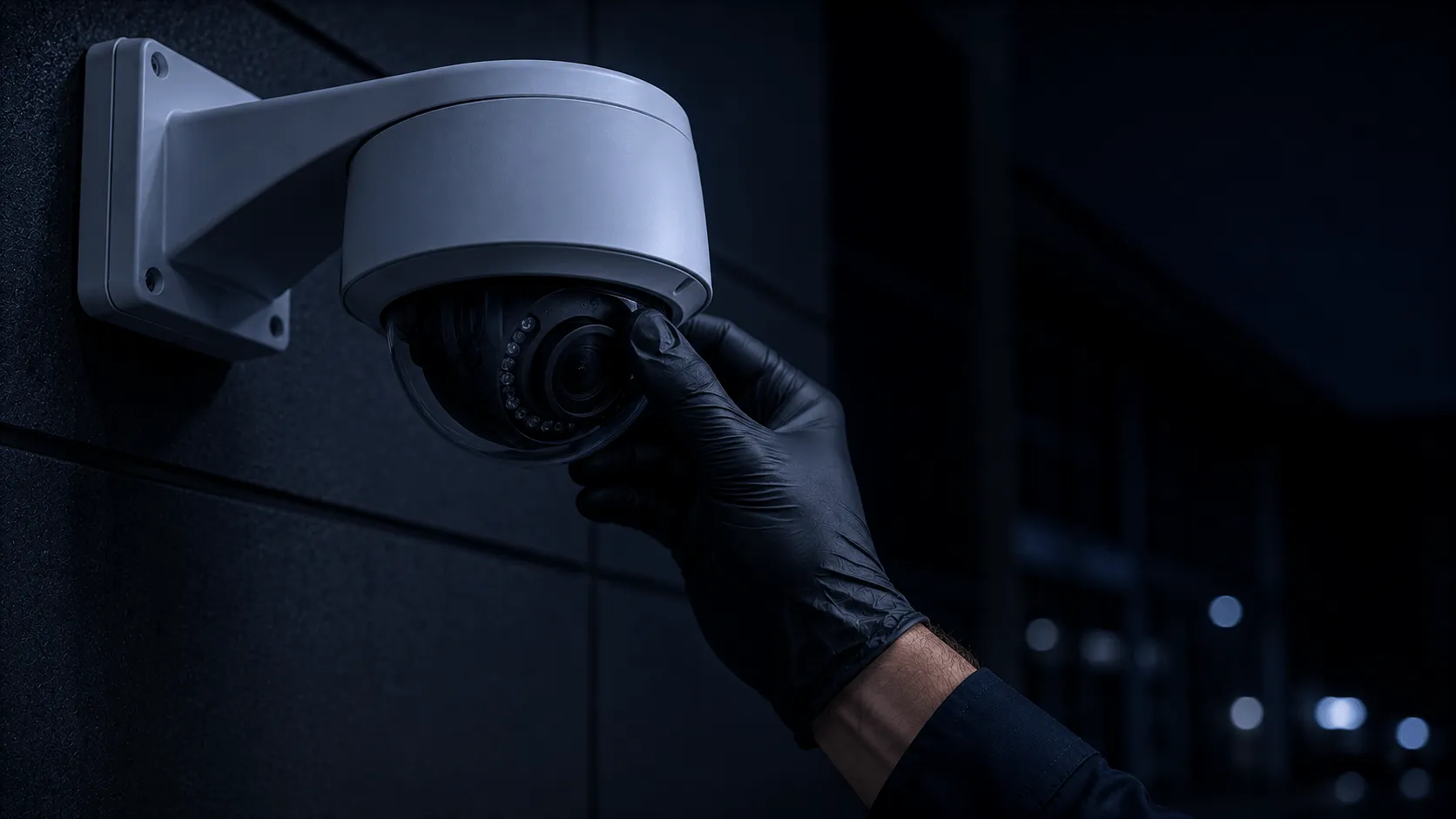
The worst time to discover a CCTV problem is during an actual incident review, when the footage that was needed simply isn’t there. A periodic health audit exists to catch these failures while they’re still just maintenance items.
Per-camera checks
- Is the image actually usable? Focus drift, dirty housings, and shifted mounting angles all degrade footage quietly over time — a camera can be “working” and still be useless for identification.
- Is the field of view still correct? Cameras get bumped, re-aimed during other maintenance work, or obstructed by new furniture, signage or growing vegetation.
- Is night performance still adequate? IR illuminators degrade, and lens condensation or fogging in certain conditions can go unnoticed until footage is actually reviewed.
System-level checks
- Is every camera actually recording, continuously or on the intended schedule? A camera can show a live feed in the control room while silently failing to write to storage.
- Is actual retention matching the policy? Disk failures, misconfiguration or a forgotten setting change can quietly shorten retention below what was designed and expected.
- Is storage health monitored? Disks in an NVR or storage array degrade like any other hardware — waiting for a failure to notice is the expensive way to find out.
- Is time synchronisation correct across all cameras and the NVR/VMS? Timestamp drift undermines footage as evidence and makes multi-camera incident review harder.
Access and security checks
- Who currently has access to the system, and does that list still make sense? Staff turnover should trigger access review, not just an assumption that old credentials were revoked.
- Is remote access still configured securely? Default credentials, unpatched firmware and exposed management interfaces are common findings in systems that haven’t been reviewed since installation.
Documentation checks
- Does a current camera schedule and coverage map exist? Without one, gaps are invisible until someone specifically goes looking for a blind spot after an incident.
- Is there a maintenance log? A history of what’s been fixed, replaced or adjusted makes the next audit faster and more useful.
How often this should happen
A basic health check — footage quality, recording status, storage health — is worth doing regularly. A fuller audit against the original coverage design, including a physical walk of the site, is worth doing periodically or after any significant change to the building or its use. Either way, the point is the same: find the gap during a scheduled review, not during an incident.