

Access Control and Building Systems
Door access, visitor communication and telephony designed around how people actually move through the building.
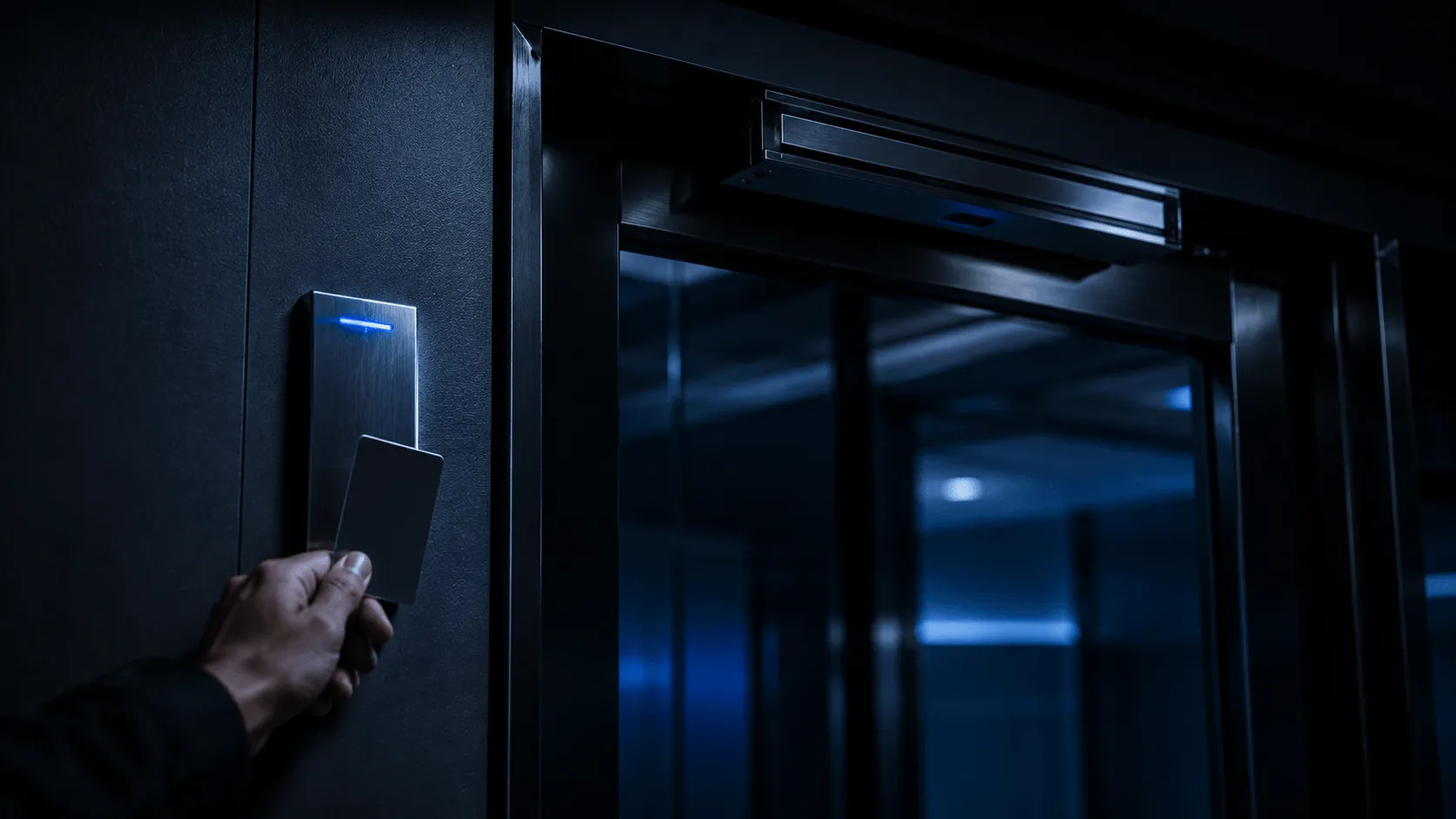
Reference system
Symptoms
When this matters
If any of these describe your environment, this is the conversation to have.
- 01Access credentials are still shared or handed out informally, with no audit trail.
- 02Visitor management relies on a paper register at reception.
- 03Intercom or gate systems were installed without any integration to CCTV.
- 04Extension and trunk changes require calling a vendor for every small update.
- 05Nobody currently administers who has access to which door.
Scope
What KINNEX delivers
Access control and building communication systems are only useful if they fit how people actually move through a site. KINNEX designs the credential model, entry flow and telephony together, then hands over clear administration so the system stays usable after installation.
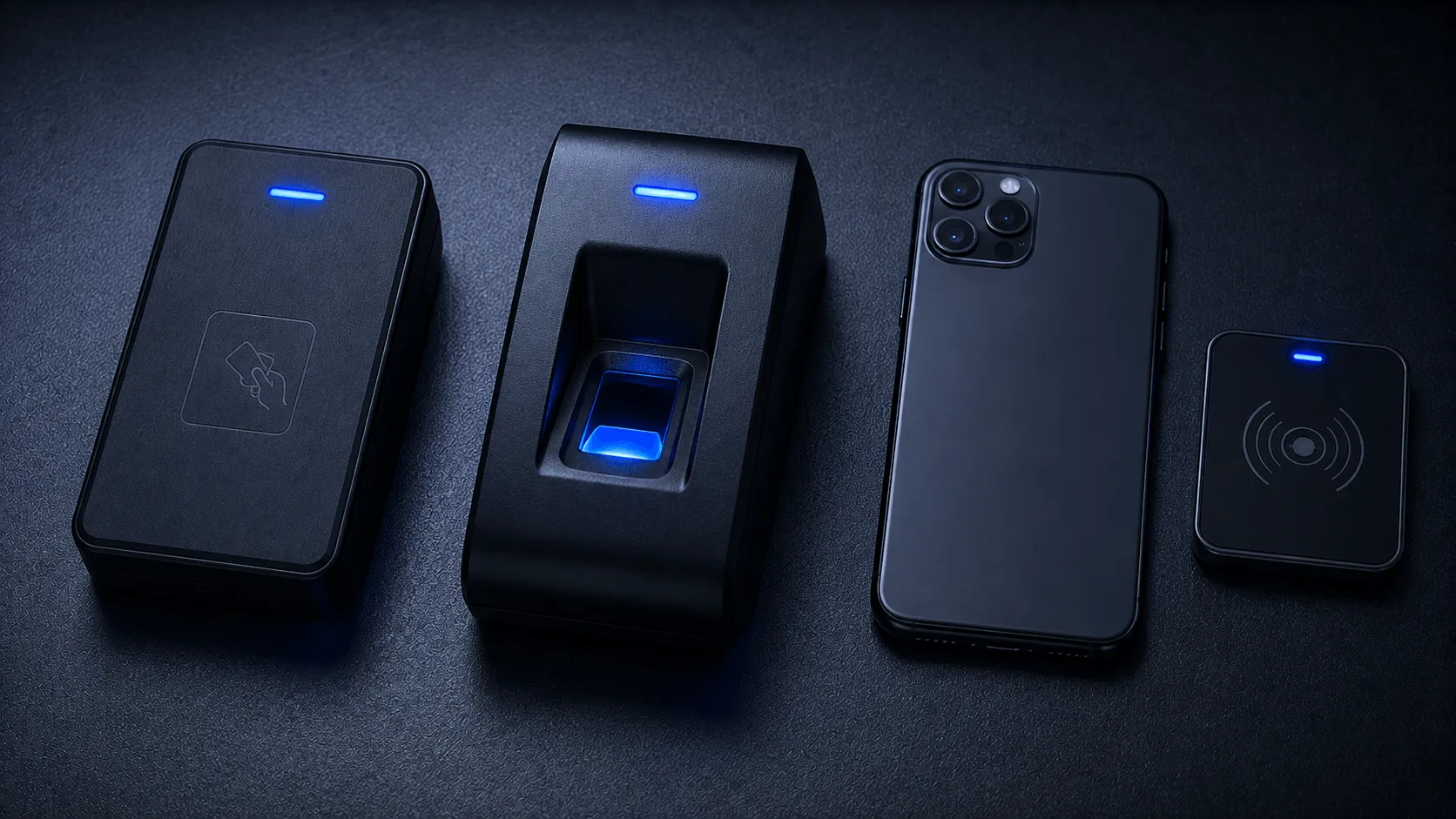
- Door access, biometric or credential systems, controllers, locks and power design.
- VDP, intercom, gate and visitor communication systems.
- IP or hybrid PBX, extensions, trunks and related network requirements.
- Integration boundaries with CCTV, networks and client systems.
- Testing, user enrolment, administration handover and maintenance.
Use cases
Where this shows up
Typical situations that lead an organisation to this work.
01
A building moving from shared keys to individual, auditable access credentials.
02
A reception replacing a paper visitor register with a VDP and intercom system.
03
A multi-extension office consolidating telephony onto an IP PBX.
Delivery method
How the work runs
Architecture before equipment. Validation before handover.
1ASSESS
Entry points, user flow and existing communication systems review.
2DESIGN
Access control architecture, credential type and PBX or intercom plan.
3IMPLEMENT
Controller, lock, VDP/intercom and PBX installation and network integration.
4VALIDATE
Access testing, call routing checks and CCTV integration verification.
5DOCUMENT
People-and-entry flow diagram and administration guide.
6SUPPORT
User enrolment changes, maintenance and administration handover.
Technology fit
Categories KINNEX works with. Brand names appear only once partner status is verified.
- Door access controllers and credential systems
- Video door phone (VDP) and intercom systems
- IP and hybrid PBX telephony
- CCTV and network integration for access events
Environments
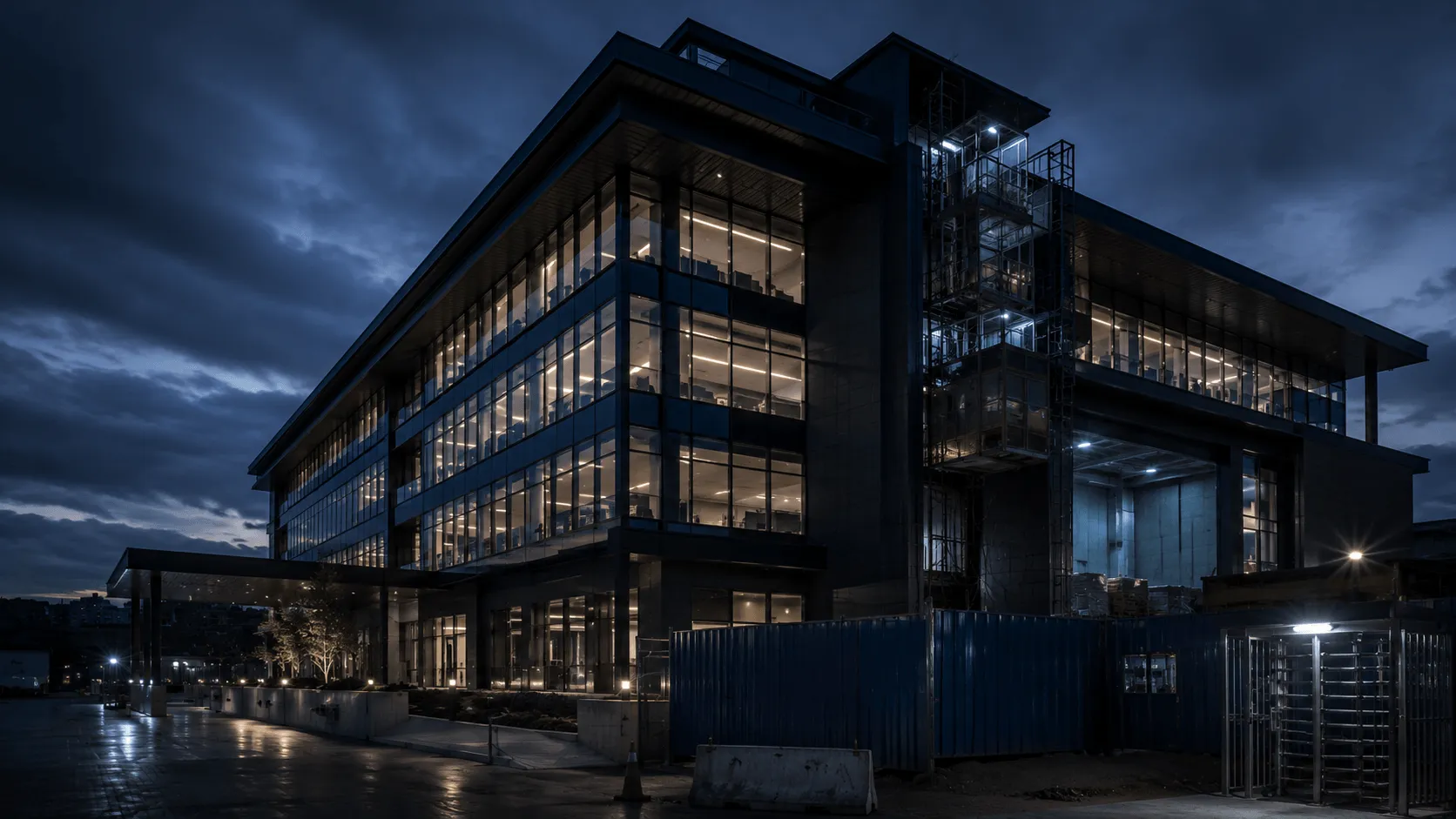
Where this applies


Questions
Frequently asked questions
Yes, within a defined integration boundary — an access event such as a forced door can be linked to a camera event, without merging the two systems into one point of failure.
Card, biometric or mobile-credential systems are all viable depending on your security requirement and user volume; the right fit is assessed during design.
Through VDP or intercom systems that let reception or security verify a visitor before granting entry, with optional recording where required.
Both routes are viable — a hybrid PBX can bridge existing lines while extensions and trunks move to IP over time.
Administration can be handed over to your team with training, or retained under a support agreement — this is agreed before deployment, not decided afterwards.
Discuss a building systems plan
Tell us the site, the constraint or the outcome you need, and we will come back with the right next step.