

What a firewall project includes beyond the appliance
KINNEX Team5 min read
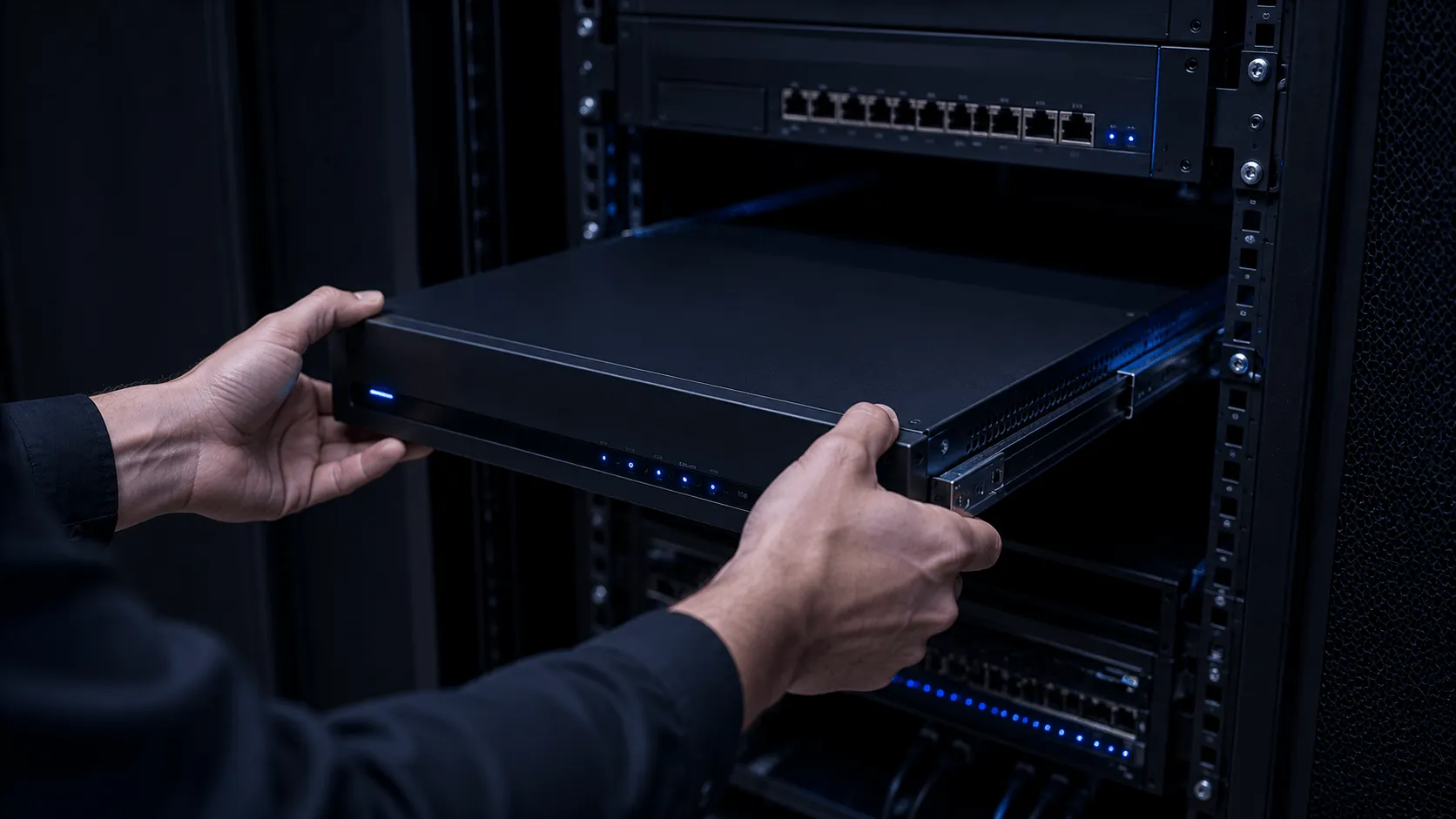
A firewall appliance arriving at site is the smallest part of a firewall project. The value is in what happens before and after that delivery.
Before deployment: sizing and policy design
The appliance model needs to be sized against real throughput requirements, concurrent VPN users and the number of segments it needs to enforce — not chosen off a generic recommendation. Policy design comes next: which segments exist, what traffic is allowed between them, and how guest, CCTV and core business systems are kept apart.
During deployment: segmentation, not just installation
This is where network segmentation actually gets implemented — VLANs for users, servers, CCTV and guest devices, each with a firewall policy controlling what can reach what. Skipping this step is the single most common reason a “firewall project” ends up being just a box swap that changes nothing about the actual exposure.
After deployment: what changes
Once the firewall is live, reporting and logging should be reviewed regularly — not left unexamined until something goes wrong. Licence and subscription renewals need tracking so protection features do not silently lapse. And policy should be revisited periodically as the network changes, rather than left exactly as configured on day one.
The honest version of “security monitoring”
Not every firewall deployment includes active, round-the-clock monitoring — that is a distinct, resourced service, not something that comes free with an appliance. Any description of monitoring coverage should say exactly what is included, because the gap between “logs exist” and “someone is watching them” is where real exposure hides.